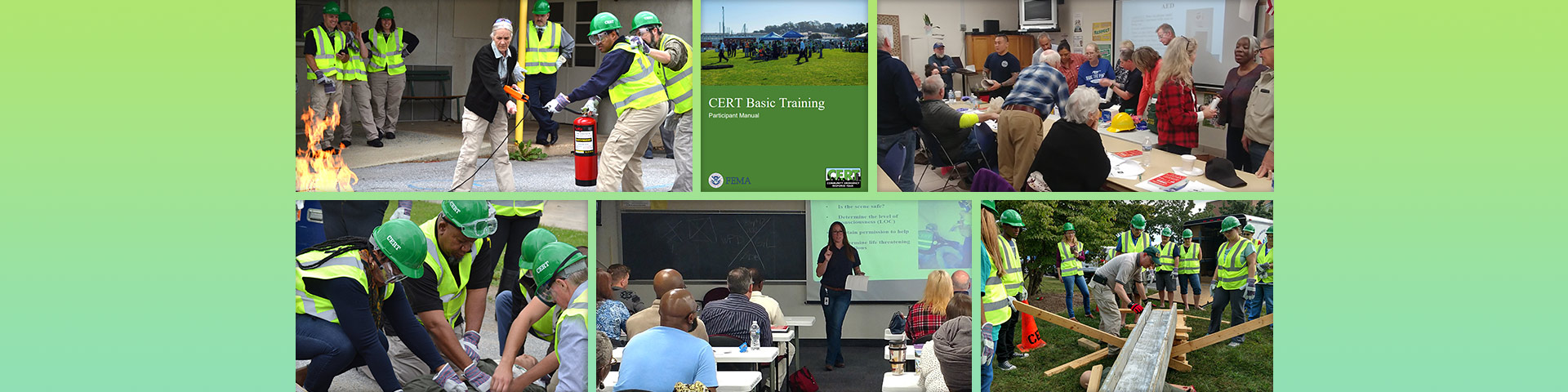
CERT Training
Training and Preparedness are the heart and purpose of CERT.
The Los Angeles Fire Department (LAFD) developed the CERT program after examining the civilian response to disasters in Mexico and Japan in 1985. In response, the LAFD decided to develop and offer disaster response training to Los Angeles residents. In turn, other fire departments around the country adopted the LAFD’s training model. Building on this development, the Federal Emergency Management Agency (FEMA) expanded the CERT materials in 1994 to make them applicable to all hazards and made the program available to communities nationwide. Since that time, thousands of dedicated trainers, organizations, and citizens have taking the trainings to learn new skills and become prepared.
Two Instructional Methods – Same Great Training
There are two (2) instructional methods for the CERT Basic Training; an In-person method and an Online hybrid method. Both teach the same FEMA approved based subject matter and include hands-on skills instruction.
1. In-person Classroom and Practical Skills 
National standard and traditional delivery method for CERT Basic Training combining in-person classroom lecture with hands-on practical skills culminating with a disaster drill.
-
In-person Classroom and Practical Skills
National Standard combining in person classroom instruction and hands on skills training simultaneously.
- Estimated time: 20 hours
- Combines classroom lecture with hands on skill demonstration and practice.
- Provided by local CERT Sponsors with experienced trainers.
- May be delivered in a variety of methods including continuous start to finish over consecutive days or shorter periods spaced out over a period of time.
- To register: Complete CERT Registration form
- SEE CERT Training Calendar or contact your local CERT Program for scheduled dates and times.
- Registered participants will receive a CERT manual and a CERT kit in class.
- You must attend all days and times in order to receive final certificate of course completion.
- CERT Basic Training Certificate is presented upon successful completion of the course.
2. Hybrid Online and In-person Practical Skills
This free, flexible version is a FEMA approved alternative 2-part delivery method teaching all elements of the standard CERT Basic Training course by blending self-paced online lessons (around 12 hours) with essential in-person, hands-on practical skills sessions (about 16 hours). Made available by the University of Utah, Utah Emergency Management Agency, the National CERT Association and your local CERT Sponsor.
-
Part 1: Online Lecture Portion
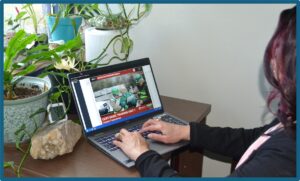 Covers CERT foundational knowledge through video lectures and readings at your own pace. Online CERT has been developed to provide the FEMA standardized curriculum to learners across the United States, meeting the lecture portion of the CERT training requirements.
- Estimated Time = 12 hours
- Access it on your mobile device or computer.
- Complete it at your pace and at your convenience.
Course progress will be saved and can be resumed later. - Multimedia learning experience; videos, virtual reality simulations, audio voice over, interactive knowledge checks, live IT, and more.
- Developed and provided free by the University of Utah, the Utah Emergency Management Agency, and the National CERT Association.
- To register: Complete CERT Registration form
-
Part 2: In-person, Hands-on, Practical Skills Portion
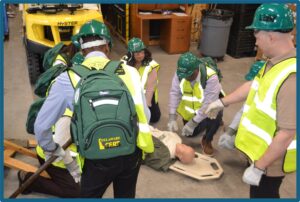 In-person, hands-on sessions where you learn and practice essential skills culminating in an exercise where you apply all learned skills in a simulated disaster scenario.
- Estimated Time = 16 hours.
- Provided by local CERT Sponsors with experienced trainers.
- Skills based, minimal lecture, in-person training focused on learning and practicing 70 essential skills including emergency medical, using fire extinguishers, and basic search and rescue techniques, among others.
- May be delivered in a variety of methods including continuous start to finish over consecutive days or shorter periods spaced out over a period of time.
- To register: Complete CERT Registration form
- SEE CERT Training Calendar or contact your local CERT Program for scheduled dates and times.
- Participants must complete all Part 1: Online Lecture coursework prior to attending the Practical Skills Training.
- Participants must complete all 70 skills on Participant Skills Checklist in order to receive final certificate of course completion.
- Additional Practical Skill trainings will be added to Training Schedule as needed, so stay in touch with your Sponsor.
For a listing of what the practical portion of your training will look like visit: https://bit.ly/pcertskills

 For a listing of what the practical portion of your training will look like visit: https://bit.ly/pcertskills
To Register for Either Method of CERT Basic Training

OR Visit: CERT Registration/Application Form
- Be sure to...
- Indicate your preferred learning method – Classroom, Hybrid.
- Select your preferred local CERT Sponsor.
- You will be contacted by your selected local CERT Sponsor with information on your training preference and local CERT activities.
- Hybrid participants will be contacted by their sponsor with registration link for classes and Practical Skills day information.
What You Will Learn:
The core of CERT is the Basic Training, and it is the starting point for personal preparedness and community engagement.
Designed to teach participants what to do before, during and after disasters from hazards their communities may face, this 18 – 20 hour training combines classroom and hands-on activities with a culminating disaster simulation exercise to provide critical basic skills in emergency preparedness and response.
The FEMA approved research-based curriculum includes:
-
Unit 1: Disaster Preparedness
During this unit, participants discuss the different vulnerabilities that their community faces, actions that can be taken to prepare before a disaster occurs, and different laws that protect CERT volunteer.
-
Unit 2: CERT Organization
During this unit, participants learn in greater depth the organization of the CERT and the importance of the incident command system (ICS).
-
Unit 3: Disaster Medical Operations I
During this unit, participants learn about basic triage, techniques to address airway, blood loss and temperature with rapid treatment techniques.
-
Unit 4: Disaster Medical Operations II
Participants learn about head-to-toe assessments, setting up treatment areas, first aid, and how to deal with sanitary issues.
-
Unit 5: Disaster Psychology
During this unit, participants learn different critical signs related to mental health during and after an event, how it impacts those involved in the disaster, responders and themselves.
-
Unit 6: Fire Safety and Utility Controls
Participants will learn basic fire chemistry, hazardous materials, fire hazards, and fire suppression strategies. Participants will learn and demonstrate the proper use of fire extinguishers and how to size up a scene to make sure it is safe to enter. In addition, they will learn the proper technique of when and how to turn off certain utilities.
-
Unit 7: Light Search and Rescue
Participants learn basic search and rescue techniques including size up, ways to carry victims, how to safely enter an area, rescue techniques, and how to keep themselves and others safe.
-
Unit 8: Terrorism and CERT
Participants will learn about the eight signs of terrorism and what they should and should not do in the case of a terrorist attack informing them of their role in terror incident.
-
Unit 9: Course Review and Disaster Simulation
During this unit, participants have an opportunity to ask questions about the training and to review the material. In addition, they take part in a disaster simulation where they can apply the knowledge and experience gained through the training.
Other Training Opportunities for CERT Members
In Addition to CERT Basic Training, participants may elect to participate in Optional CERT Trainings, including:
-
Core CERT Trainings – online or in-person
- These are considered required for those looking to join a CERT Team and are recommended for those looking to expand their preparedness or knowledge of emergency management.
-
Supplemental/ Additional/ Advanced Trainings – for CERT graduates
- These trainings are for CERT Graduates and provide supplemental skills training. These may also include Refresher trainings to revisit skills learned in Basic Training to stay up to date. They may also include Advanced training for next-level skills as a member of a CERT Team.
Both may be provided by a CERT Sponsor, DEMA, FEMA or by other Emergency Management Partners. Usually in-person, they may also be virtual.
Additional Emergency Management Training Opportunities:
-
Delaware Emergency Management Agency (DEMA):
- Sponsors all-hazards training courses and exercises that are designed to cover Mitigation, Preparedness, Response and Recovery. These courses are open to those who are involved in response and those who are involved with volunteer organizations. Some of the courses that DEMA offers are NIMS/ICS Combined, ICS-200,300,400, Position Specific, Hurricane Readiness, Debris Management, Weapons of Mass Destruction Awareness and Management of Spontaneous Volunteers. The DEMA Calendar of Training Activities provides a course description and enrollment form for the current offerings.
For more information, visit: DEMA EMERGENCY MANAGEMENT TRAINING
-
FEMA – Emergency Management Institute
- The Emergency Management Institute (EMI) offers self-paced courses designed for people who have emergency management responsibilities and the general public. All are offered free-of-charge to those who qualify for enrollment.
Follow this link for more information on SID recovery, Student Portal, and course navigation
For training opportunities visit:
OR
contact your local CERT Sponsor.
Check the Schedule frequently, as it is updated regularly.
CERT Navigation
CERT Training Schedule:
Other CERT Experiences:
CERT Volunteer Opportunities (Link opens in new tab)
Additional Trainings: CERT, Sponsor, DEMA & FEMA
CONTACT:
CERT Sponsors
-
City of Wilmington CERT
City of Wilmington CERT
Office of Emergency Management
Emergency Operations Center
22 S. Heald Street
Wilmington, Delaware 19801 -
New Castle County CERT
New Castle County CERT
Emergency Management
3601 N. DuPont Highway
New Castle, DE 19720Phone: 302-395-2700
-
Kent County CERT
-
Sussex County CERT
CERT in Action
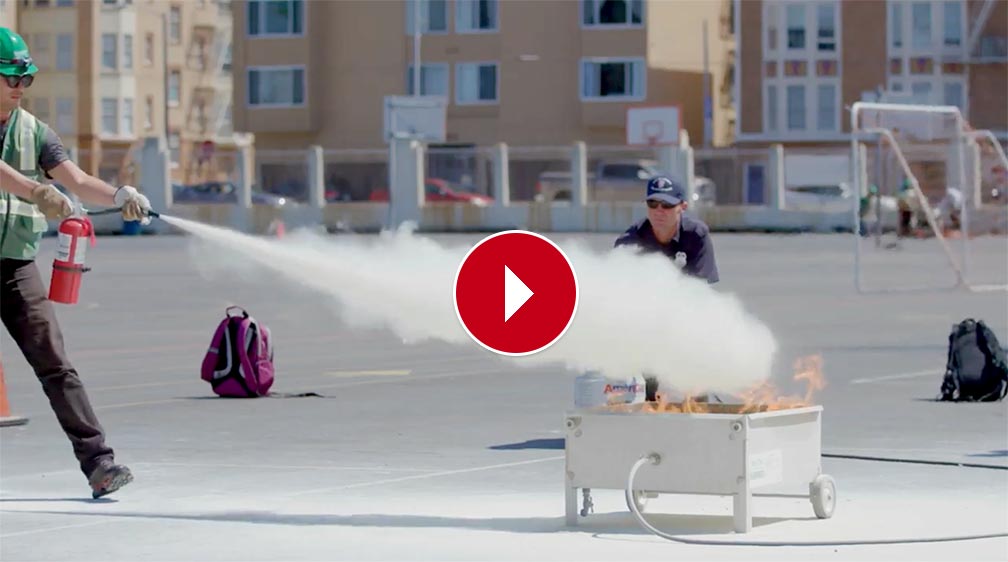
The below video: Community Emergency Response Team members from California, Florida, and Texas explain how they come together to prepare their communities and assist their neighbors during emergencies.